
Turning a Vacant Fueling Station Into a Profitable Car Wash Station
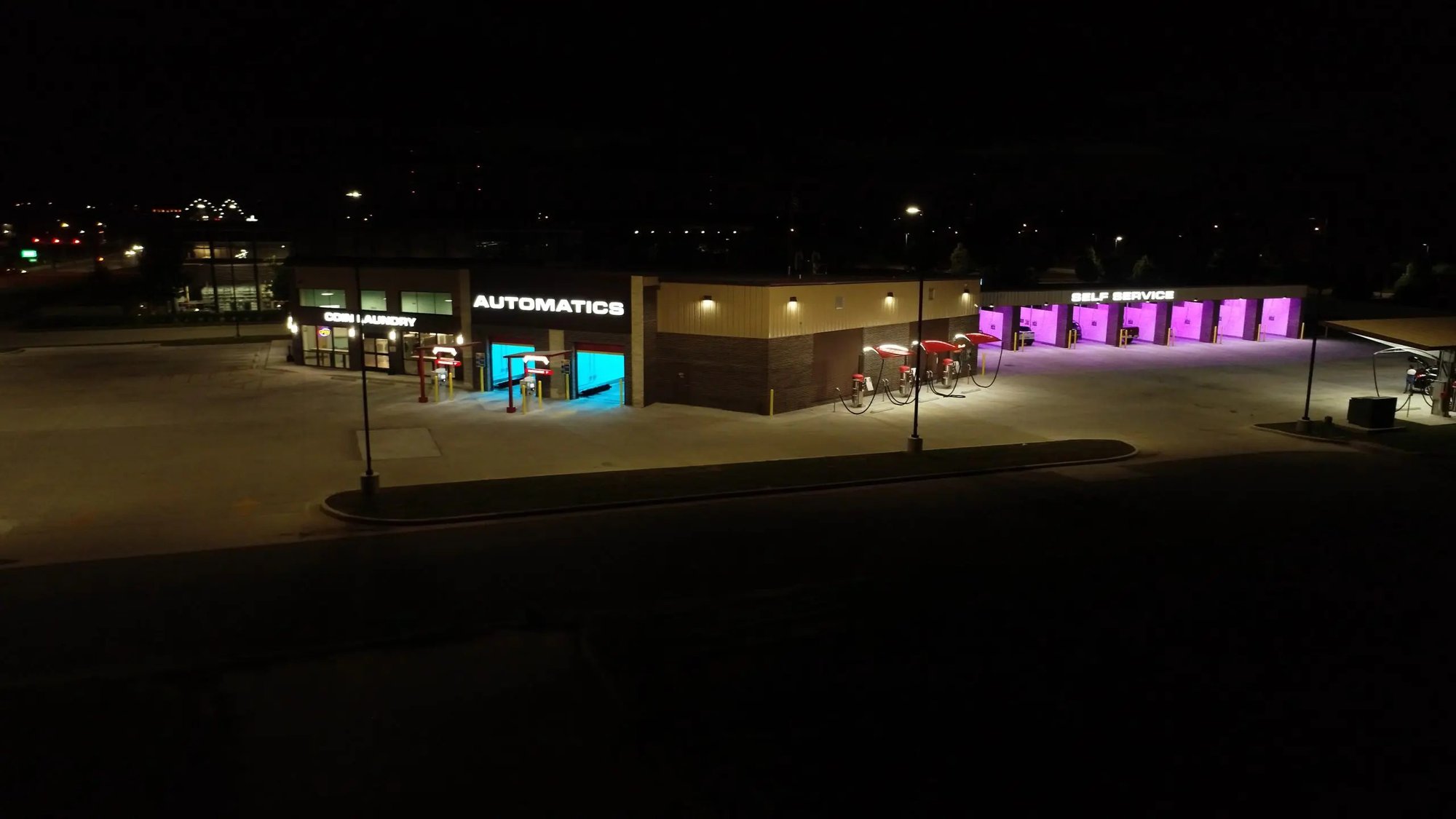
Empty gas stations sit on some of the best dirt in town. They hold corner lots, signalized intersections, and easy in-and-out access. Converting one into a profitable car wash station has become one of the smartest plays in the industry. The site already carries heavy utilities, existing drainage, and a proven traffic pattern. It also carries baggage that raw land never does.
Knowing the difference between a bargain and a money pit takes real homework. Here is what matters most before you sign anything.
Why Vacant Fuel Sites Appeal to Wash Operators
Fuel retailers chose those corners for a reason. They studied traffic counts, turning movements, and daily commuter patterns long before they poured concrete. That research still holds value years after the pumps go dark.
Most former stations already have three phase power at the pole. Water and sewer taps are usually sized well beyond a typical retail building. Curb cuts exist and are already approved by the local traffic authority. Getting a new curb cut approved on a busy road can take months.
Zoning is often the biggest win. Commercial fuel zoning frequently allows a wash as a permitted use or a simple conditional use. Compare that to rezoning a residential parcel. The savings in time and legal fees can be substantial. Anyone weighing whether to enter the industry at all should first review the reasons operators start a car wash business before shopping for sites.
Car Wash Station: Environmental and Permitting Homework You Cannot Skip
Old fuel sites come with underground storage tanks. Some were removed properly. Some were filled with sand and forgotten. Your lender will want proof either way.
Order a Phase I Environmental Site Assessment before anything else. If that report flags concerns, a Phase II follows with soil borings and groundwater sampling. Many states maintain petroleum trust funds that cover a share of remediation costs. Those programs vary widely, so ask a local environmental attorney early.
Work through these items during due diligence:
- Written tank closure documentation from the state regulatory agency
- A no further action letter, if one was ever issued
- Soil and groundwater test results from previous owners
- Sanitary sewer discharge limits for wash water and permit requirements
- Oil-water separator sizing rules in your municipality
- Stormwater management requirements for the redesigned lot
Water handling deserves extra attention. Local sewer districts often cap discharge volume or set surcharge rates. Reclaim systems help you stay under those caps and trim monthly bills. Operators who plan ahead here protect margins for decades, and sustainable wash systems reduce waste and utility costs in ways that add up fast.
Redesigning the Lot for Flow and Volume
The old fuel canopy is your first decision. Some operators demolish it entirely. Others repurpose the steel for vacuum canopies or pay station cover. Structural engineers can tell you quickly whether the columns are worth saving.
Stacking is where conversions succeed or fail. Fuel islands were built for cars pulling in from multiple directions at once. A wash needs a single organized queue. You want room for at least five to seven vehicles before the entrance. Short stacking pushes overflow into the street and kills your busiest hours.
Think through the full customer path:
- Entry point that pulls from the dominant traffic direction
- Pay station placed far enough back to avoid blocking the queue
- Exit that never crosses the entry lane
- Vacuum stalls positioned away from the wash exit path
- Room for future expansion on the remaining pad
The old convenience store building has options too. Some operators convert it to an equipment room and office. Others tear it down for more stacking space. Run both scenarios against your traffic projections before deciding.
Matching Equipment to Your Traffic Counts
Site work sets the ceiling. Equipment determines whether you reach it. A prime corner with a slow machine still leaves money on the table every Saturday.
Throughput is the number that matters. Count cars per hour, not cars per day. A machine that washes 20 vehicles hourly serves twice the customers of one washing 10. That gap shows up directly in your annual revenue.
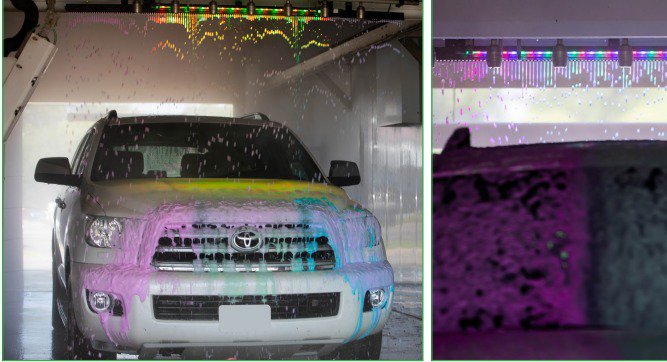
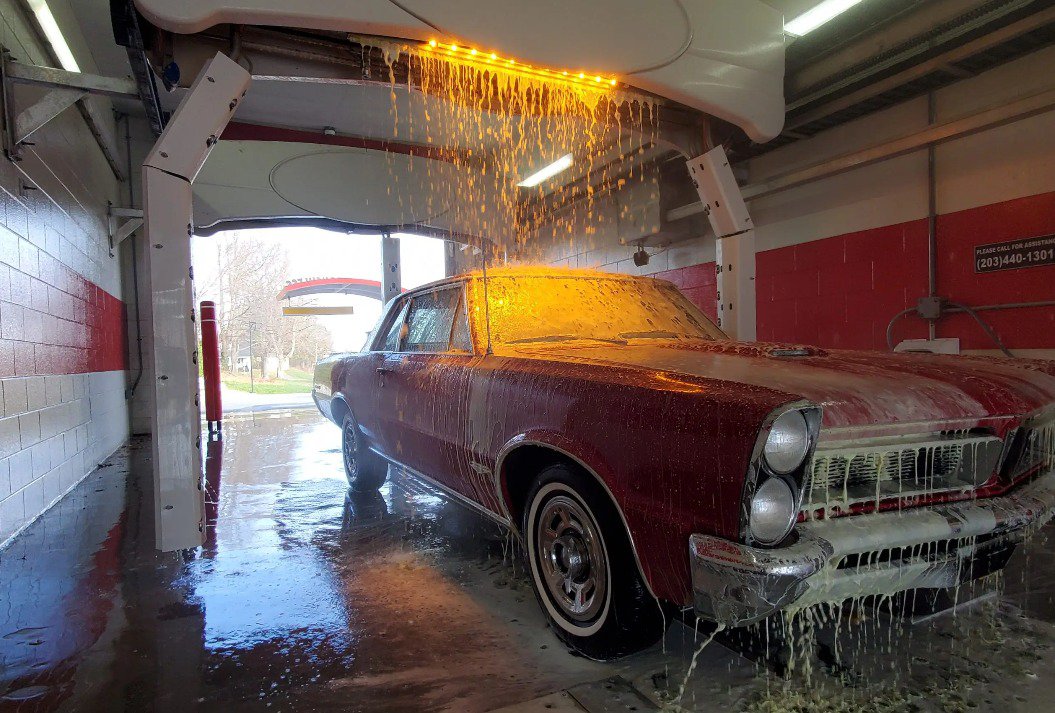
Oasis Car Wash Systems builds custom in-bay automatics around speed and reliability. The Typhoon and XP deliver touchless cleaning at high cycle speeds. The BayWash i5 handles soft-touch operations for owners whose customers prefer friction. Self-serve bays run on the JetStream platform. Choosing between touchless models gets easier once you compare which touch-free machine fits your site.
The Eclipse system pairs any Oasis IBA with an automated dryer. You get in-bay tunnel performance without a conveyor, without staff on site, and with roughly half the overhead of a traditional tunnel. That model fits converted fuel lots well, since the footprint stays compact.
Reliability protects everything else. Oasis backs its equipment with an unprecedented 5-year drive warranty. Downtime on a Saturday afternoon costs more than most owners realize. Comparing machines carefully pays off, and this commercial car wash equipment checklist helps you ask the right questions.
Ready to Look at Your Car Wash Station?
You may already have a property in mind. Maybe it is the shuttered station three blocks from the high school. Send us the dimensions, the traffic counts, and a few photos of the lot. Our team will help you figure out what fits and how fast it can run. We build every machine to order, so bay size and site quirks are workable.
Speed and reliability are what we sell, and both start with a smart layout. Reach out to our team today and let's find out what your vacant fuel site can become.