

How Sustainable Car Wash Systems Reduce Waste and Utility Bills
Sustainable car wash systems cut waste and utility bills by attacking water, energy, and chemical inefficiency at every stage. Operators running modern equipment routinely outperform competitors stuck with older, resource-heavy platforms across every measurable operating metric. Smart investment in sustainable engineering protects both your margins and your standing with regulators tightening environmental rules every year.
Customers increasingly choose car washes that align with their environmental values across nearly every demographic group today. Furthermore, sustainable operations enjoy lower utility costs, reduced regulatory friction, and stronger long-term brand reputation across competitive markets. Understanding exactly how sustainable systems work helps operators make smarter capital decisions during equipment selection and site planning.
How Do Sustainable Car Wash Systems Reduce Waste and Utility Bills?
Sustainable car wash systems reduce waste and utility bills through water reclamation, energy-efficient motors, precision chemical delivery, and smart sensor controls. Each technology cuts resource consumption without sacrificing wash quality or customer experience across daily operations. As a result, operators capture meaningful monthly savings while reducing environmental impact across the equipment's full operating life.
Water Reclamation: The Foundation of Sustainable Car Wash Systems
Water reclamation sits at the foundation of every truly sustainable car wash system operating in modern competitive markets. Reclamation captures, filters, and reuses wash water that would otherwise drain straight into the municipal sewer system. As a result, operators dramatically reduce fresh water draw without compromising final wash quality or customer experience.
Multi-stage filtration removes solids, oils, and fine particulates before reclaimed water cycles back through the wash equipment. Furthermore, biological treatment modules neutralize odors and break down organic contaminants throughout the reclaimed water loop. Spot-free rinse stages remain dedicated to fresh water to protect the final cosmetic finish on every vehicle.
Sewer discharge fees drop significantly across operations running modern reclamation systems compared to traditional fresh-water-only platforms. In addition, reclamation protects your operation against rising freshwater rates and tightening municipal water-use regulations across many regions. Operators in drought-affected markets increasingly rely on reclamation to remain compliant with local water restrictions.
Therefore, water reclamation pays back across utility savings, regulatory compliance, and reduced environmental impact across every operating month. Smart operators treat reclamation as core infrastructure rather than an optional add-on during initial equipment selection and site planning.
Five Sustainability Features Built Into Modern Car Wash Systems
Modern car wash systems integrate multiple sustainability features that compound across every operating shift of the equipment's lifespan. Each feature attacks a different category of waste while protecting margin and supporting regulatory compliance simultaneously. Smart operators verify these features during equipment evaluation rather than treating sustainability as an afterthought during the purchase process.
- Smart vehicle sensors – Sensors measure each car and apply only the water, chemicals, and energy required for proper cleaning.
- Energy-efficient drives – Hydraulic and variable-frequency drive systems substantially reduce electricity consumption compared to older constant-load motor designs.
- Precision chemical delivery – Direct injection systems eliminate dilution losses common in older centralized mixing tanks across legacy equipment platforms.
- Onboard monitoring platforms – Remote diagnostics catch developing issues before small inefficiencies turn into costly utility waste or equipment failures.
- Eco-friendly chemical compatibility – Modern equipment supports biodegradable and PFAS-free chemicals that meet tightening environmental regulations across many markets.
Each sustainability feature reinforces the others and compounds operating savings across every wash cycle throughout the year. Furthermore, integrated systems consistently outperform piecemeal sustainability upgrades retrofitted onto older equipment platforms across measurable performance categories. Therefore, choose equipment built with sustainability engineered into the platform rather than bolted on after manufacturing.
How Energy Efficiency Lowers Utility Bills Without Hurting Performance
Energy efficiency in modern car wash systems directly attacks the rising electricity costs squeezing operator margins year after year. Efficient motors, hydraulic drives, and smart controllers compound into meaningful monthly savings across every operating shift of the equipment's life. As a result, sustainable energy engineering translates immediately into measurable utility bill reductions across every operating month.
Variable frequency drives match motor output to actual demand instead of running at full power continuously throughout the day. Furthermore, soft-start technology reduces the inrush current that drives up peak demand utility charges on commercial electric bills. Smart controllers cycle equipment down during idle periods to capture savings older systems leave on the table.
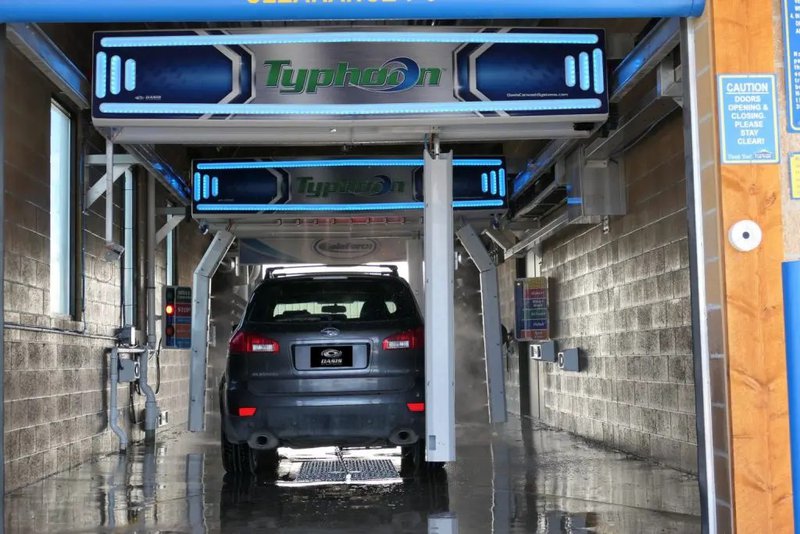
Hydraulic gear drive systems eliminate the constant electrical load required by traditional conveyor systems across tunnel wash formats. In addition, conveyor-free in-bay automatic platforms remove one of the largest continuous power draws from the daily operating profile. Quiet, totally enclosed motors also protect electrical components from moisture and extend service life across the equipment's full lifespan.
Therefore, energy efficiency simultaneously reduces utility bills and improves long-term equipment reliability across every operating year. Smart operators capture both benefits by choosing platforms engineered for low energy draw rather than retrofitted later.
How Smart Chemical Management Protects Margins and the Environment
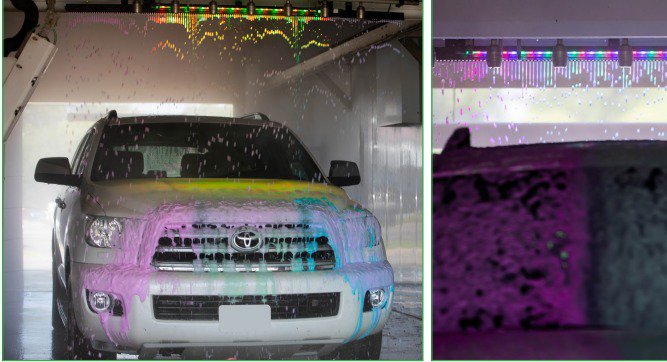
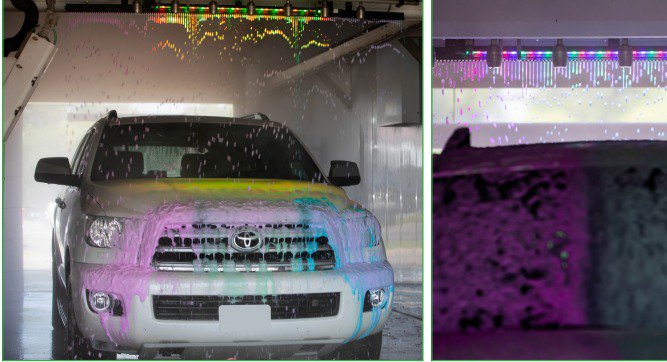
Chemical overuse silently inflates operating costs across thousands of car wash systems running outdated centralized mixing and dilution platforms. Smart chemical management corrects this waste through direct injection, precision dosing, and automated application across every wash cycle. As a result, operators capture significant monthly chemical savings without sacrificing the clean shine that drives customer loyalty and retention.
Direct injection systems deliver chemicals on demand instead of continuously cycling product through centralized mixing tanks. Furthermore, on-demand delivery means operators only consume product during active wash cycles rather than throughout idle equipment periods.
Smart controllers adjust chemical volume based on vehicle size, wash package selection, and applied surface area requirements. In addition, computer-controlled rocker panel blasters and underbody applicators target chemicals where they actually clean and prevent waste.
Biodegradable and PFAS-free chemicals also meet tightening environmental regulations across many municipalities and states across the country. Therefore, sustainable chemical selection paired with precision delivery protects both your margins and your regulatory standing simultaneously. Lower chemical use also reduces wastewater treatment load and protects your reclamation system from premature filter fouling.
Smart chemical management also improves wash consistency across every customer transaction throughout the operating day. Consequently, operators capture cost savings, regulatory compliance, and customer satisfaction benefits from one integrated equipment investment.
Cut Waste With Modern Sustainable Car Wash Systems
Sustainable car wash systems cut waste and utility bills through water reclamation, energy efficiency, and smart chemical management. Each technology compounds with the others to deliver meaningful operating savings across every month of the equipment's lifespan. Smart operators treat sustainability as a strategic margin lever rather than a marketing label across competitive trade areas.
Oasis Car Wash Systems engineers every platform to deliver maximum cleaning performance at the lowest possible operating cost. Connect with the Oasis team today to design a sustainable equipment package that protects your margins and your market reputation.