
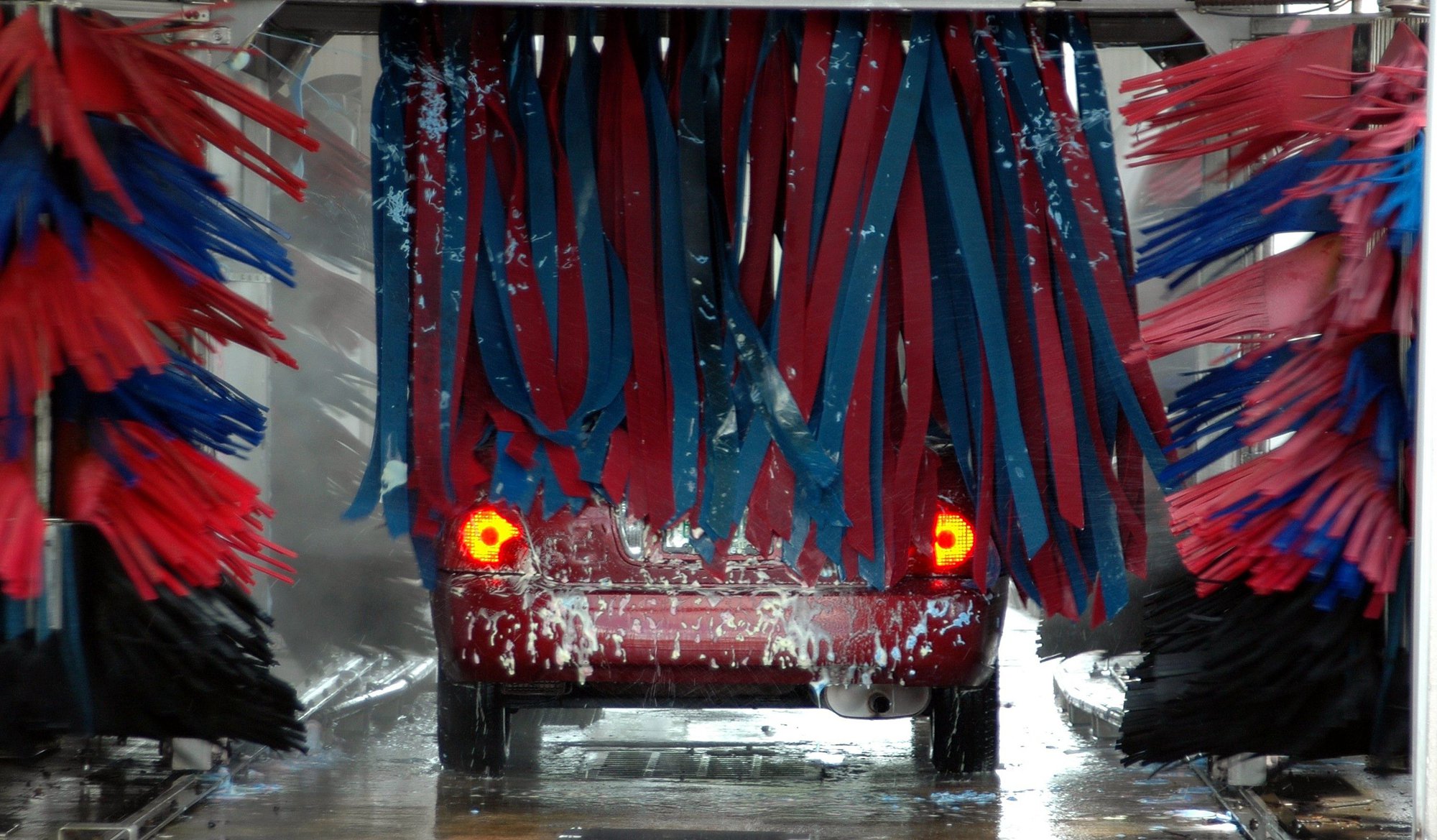
The Hidden Costs of Building a Traditional Car Wash Tunnel
Building a traditional car wash tunnel looks attractive on paper because high-volume throughput promises strong gross revenue from day one. Yet the hidden costs buried inside conveyor systems, larger parcels, and complex labor models routinely surprise first-time operators. Smart buyers analyze the full financial picture before committing capital to a tunnel format over more efficient alternatives.
Conveyor maintenance, larger utility loads, and ongoing staffing demands compound across every operating month of a tunnel's life. Many operators discover too late that footprint requirements, permitting delays, and equipment complexity erode the margins they originally projected. Understanding these hidden costs upfront helps you choose the format that genuinely fits your market and capital plan.
What Are the Hidden Costs of Building a Traditional Car Wash Tunnel?
The hidden costs of a traditional car wash tunnel include conveyor maintenance, oversized parcel requirements, higher utility loads, and ongoing labor demands. Conveyor systems carry constant wear from daily use and require regular replacement of belts, rollers, and drive components. Larger footprints also drive up land acquisition costs, construction spend, and permitting timelines before the first vehicle even rolls through.
Five Hidden Costs Every Car Wash Tunnel Operator Should Know
Building a car wash tunnel involves expenses that rarely appear on the initial proforma but show up across the operating life. Each hidden cost compounds over time and chips away at the gross margins operators originally projected before construction. Understanding each category upfront helps you budget realistically and decide whether the tunnel format genuinely fits your goals.

1. Conveyor System Maintenance and Replacement Cycles
Conveyor systems sit at the mechanical heart of any car wash tunnel and carry constant load throughout every operating day. Belts, rollers, drive chains, and guide rails wear continuously under vehicle weight and repeated chemical exposure across the wash cycle. As a result, operators face predictable replacement cycles that drain capital reserves long before the equipment reaches end of life.
2. Oversized Parcel and Construction Requirements
A car wash tunnel demands substantially more land than an in-bay automatic format with the same revenue ambitions. Larger parcels drive up acquisition costs, property taxes, and ongoing maintenance obligations across the entire ownership period. Furthermore, construction spend scales directly with tunnel length and increases foundation, drainage, and structural steel requirements significantly.
3. Higher Utility Loads Across Water and Power
Tunnel operations consume far more water and electricity per hour than equivalent in-bay or self-serve formats. Conveyor drives, high-volume blowers, and continuous chemical pumps all add fixed loads that run throughout every operating shift. In addition, larger reclamation systems become mandatory rather than optional once daily wash volume crosses standard thresholds.
4. Ongoing Labor and Staffing Demands
Most car wash tunnel operations require attendants for prep, loading, payment, and detail upselling throughout daily peak hours. Labor costs compound across multiple shifts and create scheduling complexity that smaller automated formats simply do not face. Therefore, tunnel operators carry a structural labor disadvantage compared to unattended in-bay automatic competitors in the same trade area.
5. Permitting Delays and Code Compliance Costs
Tunnel projects routinely face longer municipal review timelines because of footprint, drainage, and traffic flow concerns. Permitting delays push your opening date back and extend the period during which capital sits unproductive on the balance sheet. Consequently, holding costs, interest carry, and inflation on construction materials all eat directly into your eventual return on investment.
Why Hidden Costs Hit Tunnel Operators Harder Than In-Bay Owners
In-bay automatic systems eliminate most of the cost categories that quietly drain car wash tunnel operations over time. The Oasis Eclipse delivers tunnel-style throughput without a conveyor and operates unattended 24/7 across every shift. As a result, operators capture much of the revenue upside without inheriting the structural cost disadvantages of a full tunnel.
Smaller footprints translate into lower land costs, faster permitting timelines, and significantly reduced construction expenditure overall. Furthermore, simpler mechanical designs with fewer moving parts directly reduce both maintenance frequency and total lifetime repair spend. Operators preserve margin year after year through deliberate equipment selection rather than fighting cost battles built into their format.
Unattended operation removes the staffing burden that quietly destroys tunnel margins during slow seasonal periods and weather events. In addition, freeze prevention packages and onboard diagnostics protect equipment without continuous human oversight or scheduled labor coverage.
Reduced utility loads compound with lower labor costs across every single operating month of the equipment's life. Therefore, in-bay operators consistently outperform tunnel competitors on a cash-on-cash basis once both businesses fully stabilize their operations.
How to Evaluate Whether a Car Wash Tunnel Truly Fits Your Market
Strong tunnel markets typically require traffic volumes, demographics, and parcel availability that most secondary trade areas simply cannot support. Run a realistic demand model before assuming a car wash tunnel will outperform an in-bay automatic on your specific site. As a result, you avoid the trap of overbuilding capacity that your local market cannot fully fill.
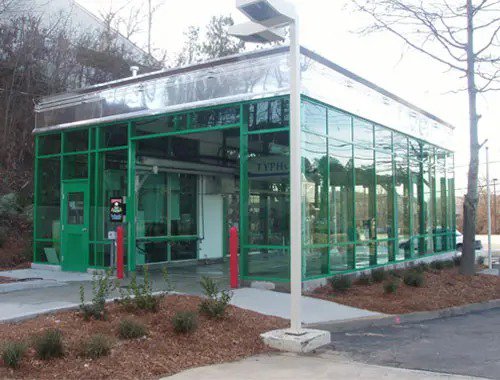
Compare break-even timelines, total project costs, and operating margins across multiple equipment formats during your planning phase. Furthermore, factor in financing structure, hold period, and exit strategy because each format produces different long-term outcomes.
Smaller markets, secondary trade areas, and infill locations often deliver stronger returns through an in-bay automatic format. The Oasis Eclipse, Typhoon, and BayWash i5 platforms all support strong throughput within a fraction of a tunnel's footprint. Therefore, smart operators evaluate the full menu of options before defaulting to the tunnel format out of habit or assumption.
Consider phased growth where an in-bay automatic generates positive cash flow that funds future expansion across multiple sites. In addition, multi-site in-bay portfolios often outperform a single tunnel on total return across a five to ten year horizon.
Talk to operators running both formats across similar markets to gather honest data on real-world cost performance. Consequently, you make a capital decision grounded in evidence rather than industry assumptions about tunnel superiority.
Ready to Skip the Hidden Costs of a Car Wash Tunnel?
The hidden costs of building a traditional car wash tunnel routinely surprise operators who skipped careful upfront analysis. Conveyor maintenance, oversized parcels, utility loads, labor demands, and permitting delays all compound across every operating year. Smart buyers evaluate in-bay automatic alternatives that capture tunnel-style throughput without inheriting the structural cost disadvantages.
Oasis Car Wash Systems engineers the Typhoon, XP, X1, Typhoon Eclipse, XP Eclipse, and BayWash i5 platforms to deliver high throughput within a compact, efficient footprint. Every system minimizes moving parts, labor demands, and utility loads while supporting unattended operation across every shift. Contact the Oasis team today to compare your options before locking capital into a traditional tunnel format.