
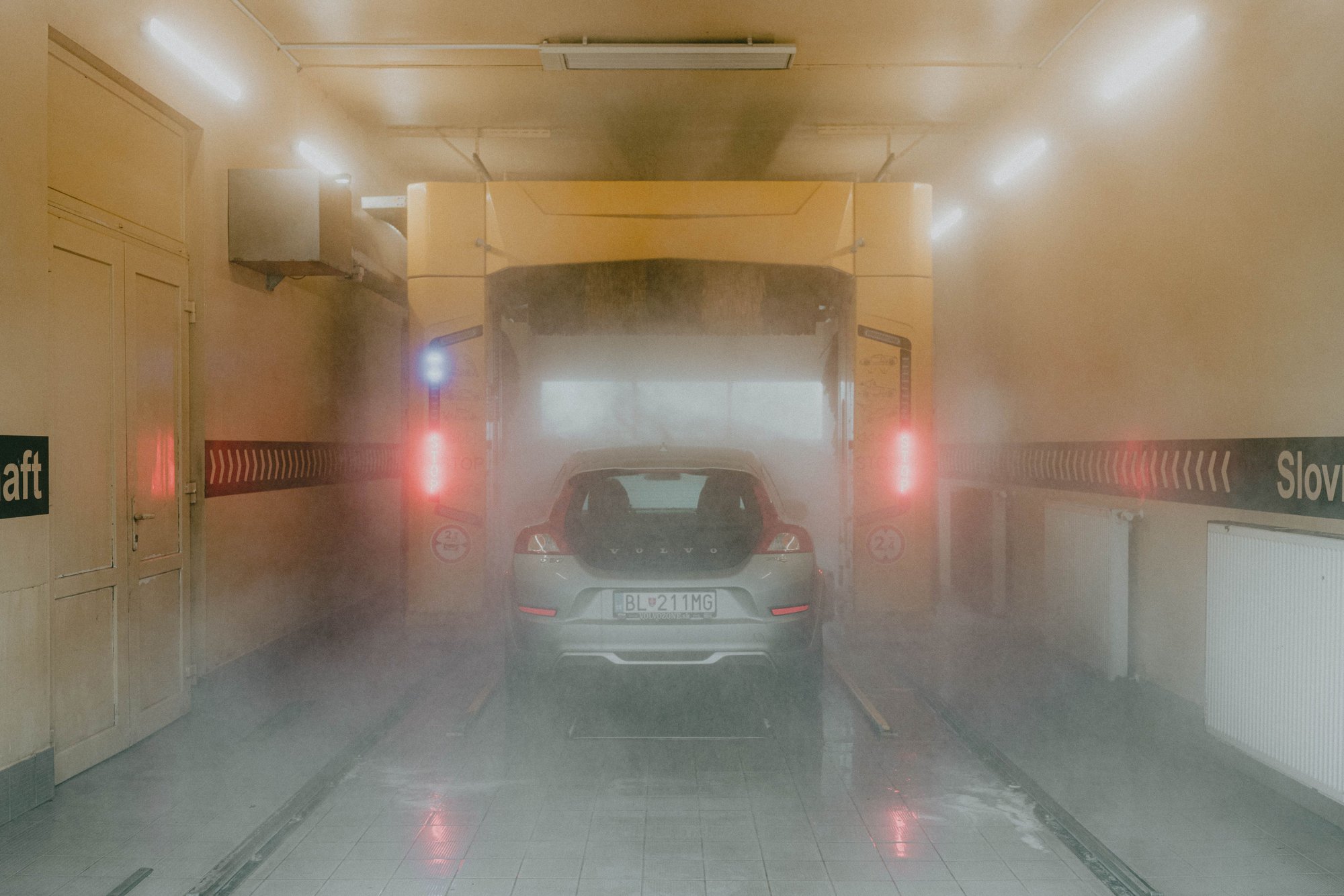
Leveraging Car Wash Automation to Protect Your Business From Labor Shortages
Hiring has become one of the toughest parts of owning a wash. Applications trickle in slowly. Good people leave for better hours or better pay. Car wash automation has quietly become the most practical answer to that problem. It lets you serve a packed lot on a Saturday without a crew standing out in the cold. It also protects your revenue when someone calls off at seven in the morning.
This is not about replacing people you enjoy working with. It is about making sure your business keeps running when the schedule falls apart.
Why Labor Shortages Hit Car Washes So Hard
Car washes earn most of their money in short, intense bursts. A sunny Saturday after a week of rain can bring in more cars than the previous four days combined. Miss that window and you cannot make it up later.
Staffing those peaks is the hard part. You need people ready for the rush, not for the slow Tuesday afternoon. Most owners end up paying for hours they do not need. Then they still come up short when it matters most.

Turnover makes it worse. Every new hire needs training on your chemicals, your equipment, and your customers. That knowledge walks out the door every few months. Labor costs also creep upward every year, which squeezes margins on services that already run thin. Some owners respond with more offerings, though it helps to first review which add-ons are actually worth the investment before adding more work to the day.
Where Car Wash Automation Removes People From the Equation
Automation does not have to mean a full rebuild. Most washes get there one piece at a time. The goal is simple. Every task a machine handles is a task that does not depend on someone showing up.
Here are the roles automation commonly absorbs at a modern site:
- Payment and upsells. Unattended pay stations sell packages consistently, without a bad mood or a missed prompt.
- Prep work. High-pressure touchless systems reach areas that once required a hand wand and a person holding it.
- Drying. Automated dryers remove the biggest reason owners keep staff on the exit end.
- Monitoring. Remote diagnostics let you check bay status from your phone instead of driving over.
- Self-serve. Modern self-serve bays give overflow customers somewhere to go during a rush.
Before you commit to any of it, walk through a solid checklist for purchasing car wash equipment. The right questions upfront save years of frustration later.
Protecting Throughput on Your Busiest Days
Throughput is where automation pays for itself. A slow machine costs you cars every single peak hour. Drivers see a line of four vehicles and keep going. You never even know they were there.
Cycle time is the number that matters. Shaving sixty seconds off a wash can add several cars per hour during a rush. Multiply that across a weekend and the difference gets serious. Now multiply it across a year.
A few practical ways to protect throughput without adding payroll:
- Track your actual cycle time during peak hours, not your rated cycle time.
- Watch how many cars leave your entrance without washing.
- Keep spare wear parts on site so a small failure never closes a bay.
- Choose equipment with fewer moving parts in the drive system.
Reliability belongs in this conversation too. A fast machine that goes down on Saturday is worse than a steady one. Downtime also has hidden costs beyond lost washes, since idle equipment and inefficient cycles still affect what you spend on utilities each month.
Car Wash Automation: Equipment Built to Run Without Babysitting
This is where the right manufacturer changes the math. Oasis Car Wash Systems builds custom, made-to-order equipment around a simple motto of speed and reliability. The company manufactures the fastest in-bay automatic on the market, which is exactly what a short-staffed operation needs.
The touchless lineup includes the Typhoon, the XP, and the X1. Each one washes without brushes, so there is less to maintain and less to worry about. Owners who prefer soft touch can look at the BayWash i5. For overflow traffic and DIY customers, the JetStream self-serve system scales from two to eight bays.
The Eclipse deserves its own mention here. It pairs any Oasis in-bay automatic with an automated dryer to create an in-bay tunnel. You get tunnel-style functionality without a conveyor, without a staffed crew, and with roughly half the overhead. For a wash fighting a labor shortage, that combination is hard to beat.
Oasis also backs its machines with an unprecedented five-year drive warranty. That kind of coverage tells you something about how the equipment is engineered. Confidence like that usually comes from parts that simply do not fail often.
Ready to Wash More Cars With Fewer Hands?
You already know your busiest hours better than anyone. You know which ones you are leaving on the table because the line got too long or the bay went down. The right equipment closes that gap, and it does it without another name on your payroll.
Start with an honest look at your cycle times and your peak-hour traffic. Then figure out what a faster, more reliable machine would actually add to your bottom line. Our team can even run a free ROI analysis based on your location and local demographics. Reach out to Oasis Car Wash Systems today and let's build a wash that keeps moving no matter who is on the schedule.