
The Automated Car Wash and Future Industry Trends
The automated car wash industry has transformed dramatically since the first mechanical systems emerged during the mid-twentieth century. Early conveyor tunnels gave way to in-bay automatics, touchless systems, and unattended platforms that operate around the clock. Each generation of equipment brought meaningful improvements in throughput, water efficiency, and overall customer experience across every market segment.
Today's operators benefit from decades of engineering progress that earlier generations of car wash owners could only imagine. Smart sensors, remote monitoring, and recurring membership platforms have reshaped how operators run profitable car wash businesses today. Understanding where the industry has been and where it heads next helps operators make smarter long-term capital decisions.
How Has the Automated Car Wash Evolved and Where Is the Industry Heading?
The automated car wash has evolved from labor-intensive conveyor tunnels into touchless, sensor-driven platforms that run reliably without attendant staffing. Future trends point toward greater automation, sustainability features, recurring membership models, and integrated digital customer experiences across every operation. Operators who track these trends position themselves to capture market share as customer expectations and technology continue advancing rapidly.
The Origins of the Automated Car Wash Industry
The automated car wash story begins in 1946 when Detroit entrepreneur Thomas Simpson built the first semi-automatic system. Simpson's design used a conveyor belt hooked to the bumper, an overhead sprinkler, manually operated brushes, and a 50-horsepower air dryer. As a result, much of the manual labor was removed, but workers still scrubbed every vehicle by hand during the wash.
That same year, Leo Rousseau founded Minit-Man Inc., the first dedicated automatic car wash equipment manufacturer in the United States. Furthermore, Minit-Man's first customer Paul Maranian opened Paul's Auto Wash in Detroit, recognized as the world's first automated car wash. According to Carwash.com, Paul's Auto Wash would eventually wash close to 400,000 cars per year.
Full automation finally arrived in 1951 when brothers Archie, Dean, and Eldon Anderson opened their wash in Seattle, Washington. Their design added soap and water nozzles, automated brushes, and an automatic dryer that eliminated the need for any worker scrubbing. In addition, only 18 car washes operated across the entire United States during this early industry period.
The automated car wash industry traces its earliest commercial scale directly to these mid-1940s and early 1950s breakthroughs. Therefore, every modern in-bay automatic, tunnel, and touchless platform owes its lineage to these pioneering equipment innovations.
The Mid-Century Boom That Built the Modern Industry
Dan Hanna Sr. emerged as the next major figure when he opened Rub-A-Dub in Milwaukie, Oregon in 1955. Hanna eventually expanded to 31 locations and began manufacturing equipment for other operators across the country. As a result, Hanna Enterprises became the largest car wash equipment manufacturer in the world by the mid-1960s.
The 1950s and 1960s brought rapid innovation, including recyclable water systems, soft cloth washing, and wraparound brush technology. Oasis Car Wash Systems began in 1964 as Wadler Manufacturing, an agricultural equipment company with no ties to car washing. The fuel embargo shrank vehicle sizes and pushed Wadler into the car wash industry during the 1980s.
Oasis engineers answered in 1985 with the industry's first fully adjustable In-Bay Automatic, the Adjust-O-Matic. You can trace today's Typhoon design directly back to that original adjustable concept. Touchless and soft-touch technologies then reshaped customer expectations across the 1980s and 1990s.
Water reclamation, programmable controls, and remote monitoring also emerged as standard equipment categories. You can choose between conveyor tunnel, in-bay automatic, and self-serve formats based on market demographics and projected throughput. Each shift moved the industry closer to today's fast, low-touch wash experience for owners and drivers alike.
The automated car wash transformed from a manual-labor-heavy operation into a sensor-driven, low-touch business model. Therefore, decades of incremental engineering progress laid the foundation for today's high-margin, low-staffing operating environment.
Current Trends Reshaping the Automated Car Wash Today
Several major trends define the modern automated car wash industry across the United States and global markets. Each trend reflects shifting customer expectations, evolving technology, and the consolidation pressures driving operator decisions today. Smart operators track these movements carefully to position their businesses for sustained growth across the coming decade.
- Subscription memberships – According to market research, leading platforms now convert 35% of visitors into unlimited-wash members.
- Industry consolidation – Brands like Mister Car Wash, Driven Brands, ZIPS, and Quick Quack continue acquiring independent operators across regional markets.
- Sustainability standards – Water reclamation, biodegradable chemicals, and PFAS-free products respond to consumer demand and tightening municipal regulations.
- Touchless preference – According to census data, automatics represent more than half of all car wash revenue in 2017.
- Digital payment integration – Cashless payment captured 71.1% market share by 2025 alongside RFID and license-plate recognition entry technologies.
These trends compound and reinforce each other across every modern automated car wash operating in competitive markets today. Furthermore, operators ignoring any single trend risk losing market share to better-positioned regional or national competitors. Therefore, treating each shift as a strategic priority protects your operation across the rapidly evolving competitive landscape.
Future Trends Shaping the Next Decade of Car Wash Operations
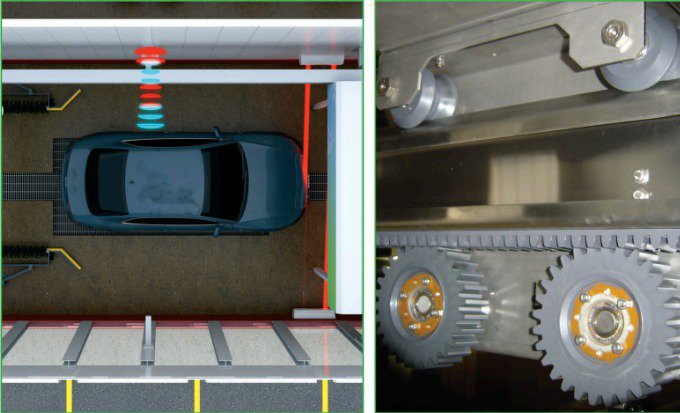
Artificial intelligence and predictive maintenance will dominate the next wave of automated car wash equipment engineering. Smart sensors will optimize chemical use, water consumption, and energy draw based on real-time conditions and vehicle characteristics. As a result, operators will capture deeper efficiency gains across every operating shift without sacrificing wash quality or customer experience.
Electric vehicle adoption will reshape wash protocols because many EVs require touchless cleaning to protect sensors and finishes. Furthermore, specialized EV wash programs and dedicated EV-friendly facilities will emerge as the vehicle fleet continues its transition. Operators who prepare equipment and signage for EV customers will capture meaningful share across coming years.
Membership models will continue evolving toward family plans, premium tiers, and value-added perks beyond unlimited washes. In addition, mobile apps will deepen customer engagement and support retention against churn pressures across the membership category.
Water reclamation systems will become mandatory rather than optional across an increasing number of municipalities and states. Therefore, equipment selection today should anticipate the regulatory landscape operators will face across the next ten to fifteen years.
Operators who invest in modern, efficient, sensor-driven equipment position themselves at the front of the next industry evolution. Consequently, the automated car wash will continue transforming from a transactional business into a technology-driven recurring revenue platform.
Ready to Position Your Operation for the Future?
The automated car wash has evolved from manual conveyors in 1946 into intelligent sensor-driven platforms operating around the clock. Subscription memberships, sustainability standards, touchless technology, and digital payments now define every successful operation across competitive markets. Smart operators track these trends carefully and choose equipment built to support continued innovation across the coming decade.
Oasis Car Wash Systems engineers every product to maximize uptime, efficiency, and customer experience across today's evolving market conditions. From touchless systems to self-serve platforms, every option supports modern membership programs and remote monitoring. Reach out to the Oasis team today to position your operation for sustained growth across the next era of the industry.