
The Differences Between Friction and Touch-Free Car Washing Machine Technologies
Every wash owner eventually faces the same fork in the road. The car washing machine you choose sets the tone for your cleaning results, your maintenance calendar, and your busiest Saturday afternoons. Friction and touch-free technologies both deliver clean cars. They simply get there in very different ways.
Understanding those differences helps you match equipment to your customers, your climate, and your traffic patterns. Here is a clear look at how the two approaches compare and what each one asks of you as an operator.
How Each Cleaning Method Actually Works
Friction systems, often called soft touch, use foam or cloth material that physically contacts the vehicle. That contact provides mechanical agitation. It lifts road film, bug residue, and stubborn grime from the paint surface.

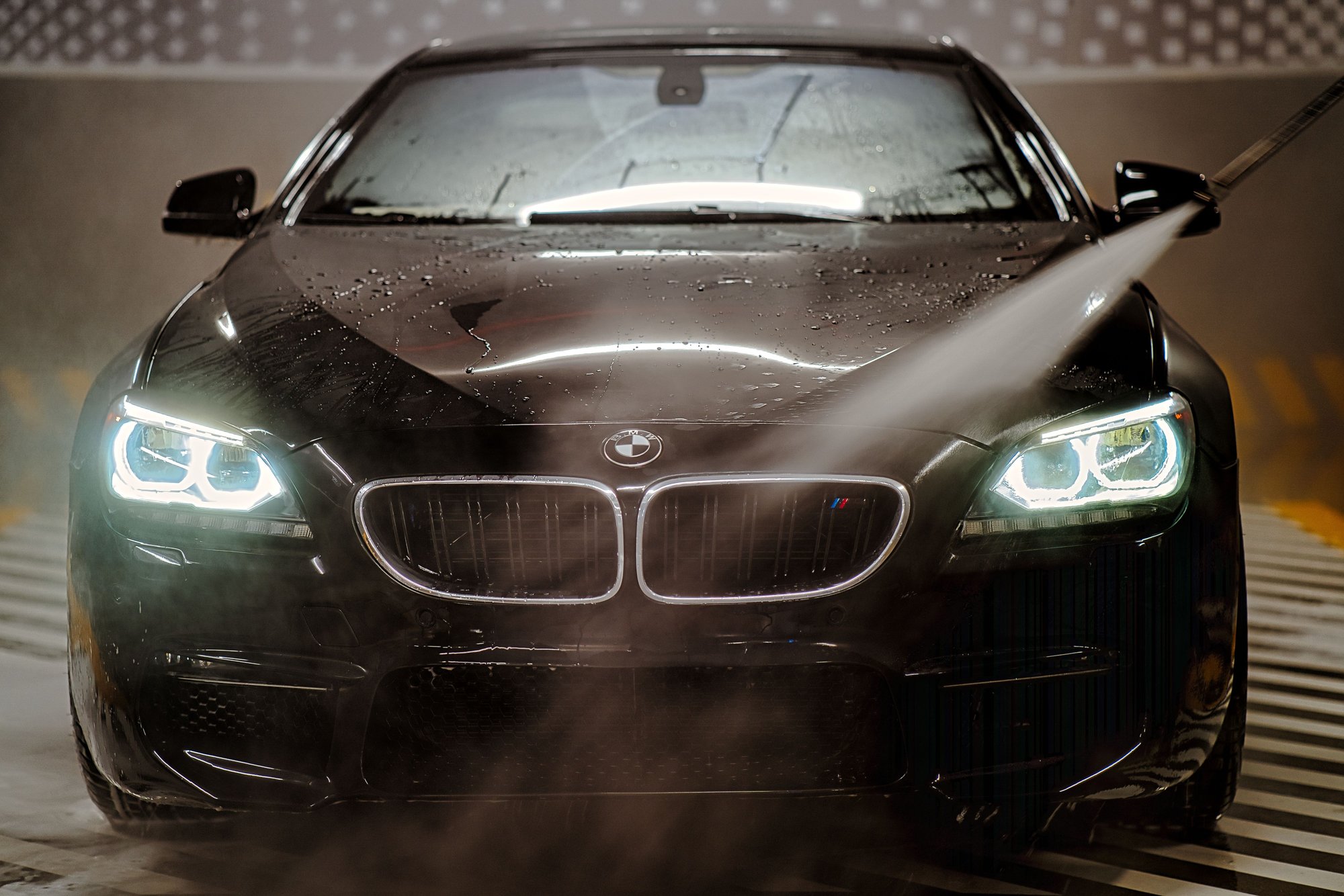
Touch-free systems never make contact with the vehicle at all. They rely on chemistry and high pressure working together. Presoaks loosen dirt, and pressurized water rinses it away in a carefully timed sequence.
The distinction matters more than most spec sheets suggest. Friction removes soil with pressure and motion. Touch-free removes soil with chemical dwell time and precise nozzle performance. Both rely on quality water, correct chemical ratios, and smart engineering to keep water and energy use under control.
Car Washing Machine: Clean Quality, Paint Safety, and Customer Perception
Friction usually wins on heavy soil removal. Cloth reaches film that chemistry alone can struggle to break. Customers who drive dusty back roads often notice the difference right away.
Touch-free wins on peace of mind. Drivers with new vehicles, custom wraps, or dark paint often worry about anything touching their finish. That worry drives real purchasing decisions at the pay station.
Here is how the two compare in the eyes of your customers:
- Friction: Strong results on heavy road film, mud, and pollen buildup
- Touch-Free: Zero contact, which appeals to owners of newer and specialty vehicles
- Friction: Familiar look and feel that many longtime customers already trust
- Touch-Free: Consistent results with fewer variables tied to material condition
Neither option is universally better. The right answer depends on who pulls into your bay and what they drive.
Throughput, Utilities, and Daily Reliability
Speed is where many owners feel the real pressure. A line of eight cars on a Saturday tests every machine in the market. Cycle time, dry time, and recovery between vehicles all shape your daily revenue ceiling.
Friction machines often complete a wash quickly because contact does part of the work. Touch-free machines depend on chemical dwell and pressure, so timing must be dialed in perfectly. Well-engineered touch-free equipment closes that gap and runs remarkably fast.
Maintenance habits differ too. Friction systems need attention to cloth condition and material wear. Touch-free systems need attention to nozzles, pumps, and chemical delivery. Both benefit from a consistent seasonal maintenance routine that catches small issues early.

Reliability ultimately comes down to build quality. Drive components take the most abuse in any bay. A machine built with heavy-duty drive systems keeps running when volume spikes.
Why Pairing One Car Washing Machine of Each Type Pays Off
Start with your market by studying vehicle types, weather, and local competition before you compare models. A thorough equipment purchasing checklist keeps your decision grounded in real traffic counts and revenue numbers. For many sites, however, the smartest answer skips the either-or debate and puts one of each in adjacent bays.
Our Typhoon touchless car washing machine runs twice as fast as any other touchless in-bay automatic (IBA) on the market. In practical terms, one Typhoon delivers the throughput you would normally need two touchless IBAs to match. Next door, the BayWash i5 handles drivers who want contact cleaning and expect a quick trip through the bay.
Together, the pair gives you the capacity of two touchless IBAs plus the fastest soft touch wash on the market. Paint-conscious customers choose zero contact, while drivers covered in road film choose cloth, and nobody leaves your lot. Meanwhile, your Saturday line splits across two fast bays instead of stacking up behind one slow machine.
We custom-build every Oasis in-bay automatic to order and back each one with an unprecedented 5-year drive warranty. When you want tunnel-level volume later, the Eclipse pairs either machine with our automated dryer and no conveyor.
Let Us Help You Pick the Right Fit
Your bay, your customers, and your traffic are unlike anyone else's. That is exactly why we build every machine to order instead of pushing a one-size-fits-all package. Tell us what your site looks like today and where you want it in five years. We will walk you through friction and touch-free options honestly, including the trade-offs that rarely make it into a brochure. You deserve straight answers before you sign anything.
Ready to compare friction and touch-free side by side for your location? Reach out to our team and let's build the right machine for your bay.