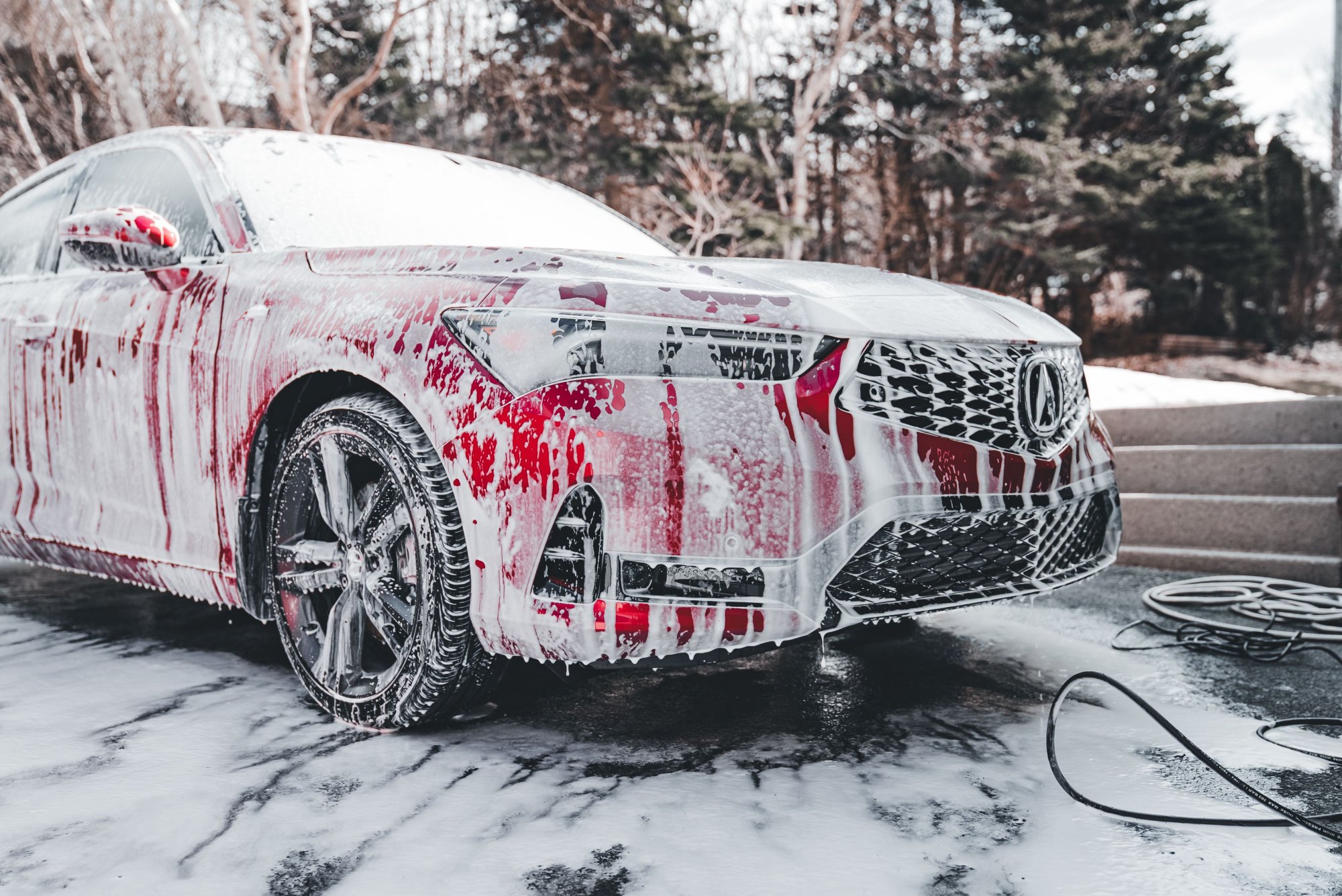

Why Self-Serve Car Wash Equipment Remains Highly Profitable in Rural Markets
Small towns rarely make the headlines in car wash trade magazines. Most of the industry buzz follows big tunnel builds in metro corridors. Still, self-serve car wash equipment quietly produces some of the strongest returns per square foot in the business, especially outside city limits. Rural operators enjoy lower land costs, loyal repeat customers, and far less competition.
The result is a wash model that stays profitable through slow seasons and busy ones alike. Understanding why that happens can help you decide where to put your next dollar.
Rural Economics Favor a Low-Overhead Model
Land in a town of 4,000 people costs a fraction of what it does in a suburb. That single fact changes the entire math of a project. A self-serve site needs less acreage than a tunnel. It also needs far less structure, less concrete, and a much smaller equipment room.
Staffing is the other big lever. Self-serve bays run with minimal attendants on site, with bay cleanliness as one of their primary focuses. Compare that to a conveyor wash, which needs employees during every open hour. In a market with a thin labor pool, that difference matters more than the ticket average.
Utilities round out the picture. Water and power still hit the P&L, though a well-designed bay uses both efficiently. Operators who pay attention to how equipment engineering affects utility costs often protect several points of margin without raising prices.
Rural Vehicles Create Steady, Repeating Demand
Country roads are hard on vehicles. Gravel dust coats everything in summer. Road salt and slush take over in winter. Farm trucks pick up mud, manure, and fertilizer residue on a daily basis.
Those conditions build a habit. Customers do not wash once a month for looks. They wash to protect paint, undercarriage, and resale value. That habit shows up as consistent quarter and card volume.
Self-serve bays also fit vehicles that automatics cannot always serve well. Think dually pickups, flatbed trailers, ATVs, boats, and stock trailers. A wand bay handles all of them without a size restriction. Many operators expand revenue further with vacuums, foam brushes, spot-free rinse, and tire cleaner. Choosing wisely matters here, and this guide on which car wash add-ons are worth it is a useful starting point.
Self-Serve Car Wash Equipment Uptime Matters More When You Are the Only Wash in Town
Limited competition is a gift and a responsibility. A downtown bay may be the only option within 20 miles. When it works, you capture nearly all of the local demand. When it fails, customers drive to the next town and sometimes stay there.
Reliability protects that position. A few habits keep small-market sites running:
- Stock common wear parts on site, since freight to rural addresses takes longer.
- Walk the bays weekly and check nozzles, hoses, and boom swivels.
- Test your freeze protection before the first hard cold snap arrives.
- Track pump run times so you catch problems before customers do.
- Keep lighting bright, because safety drives evening traffic in quiet towns.
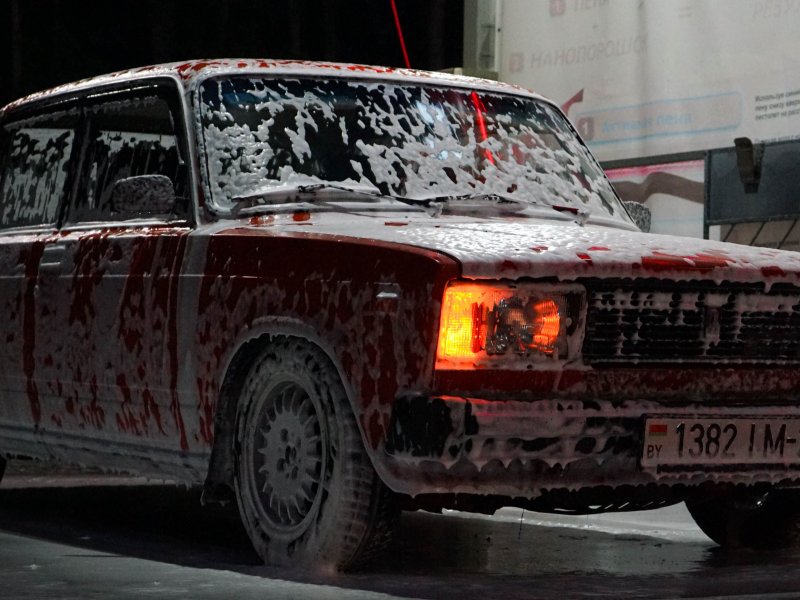
Winter deserves special attention in northern markets. Frozen lines can shut a site down for days. A seasonal routine like this winter maintenance checklist prevents most cold-weather headaches.
Growing the Site When the Town Grows
Plenty of rural operators start with self-serve and later add an automatic bay. That combination serves two very different customers on one lot. Wand bays capture trucks, trailers, and detail-minded regulars. The automatic captures drivers who want a fast, hands-off wash.
Equipment choice shapes how well that hybrid performs. Oasis Car Wash Systems builds the JetStream self-serve system for exactly this kind of operator. It is built to order, simple to service, and designed around durable components.
Operators who want an automatic alongside their bays have a few paths. Touchless options include the Typhoon, XP, and Oasis X1. The BayWash i5 covers soft-touch preferences. The Eclipse system pairs an in-bay automatic with an automated dryer, creating an in-bay tunnel. You get tunnel-style throughput without a conveyor, without staff, and with far lower overhead. Every Oasis in-bay automatic also carries an unprecedented 5-year drive warranty, which speaks to how these machines are engineered.
Let's Talk About Your Town
You know your market better than any spreadsheet does. You know which trucks roll through on Saturday morning. You also know how far people will drive when your bays go down. Those details should shape your equipment decision more than any national trend.
We would love to help you build something that fits your lot, your climate, and your customers. Our team works with owners on custom configurations every day, from a single wand bay to a full multi-bay site. Speed and reliability guide everything we manufacture in Joplin, Missouri.
Reach out to our team and let's design a self-serve setup that keeps your town coming back.